
Let There Be Fire.
Pottery & Ceramic Art Exhibition
Gallery 60 NYC x New England Wood Firing Conference
Fiat Ignis IV:
Claire Engelhardt
December 11 - 21, 2026
Reception: December 11, Friday
6-8PM (Free Admission)
Preview and Sales starts at Noon
Sign Up Our Newsletter for reminders!
208 E 60th St, New York, NY 10022
Ceramic Artists: (TBA), Trevor Youngberg, Frank Olt, Mandy Henson, Dan Christoffel, and Kiichi Takeuchi
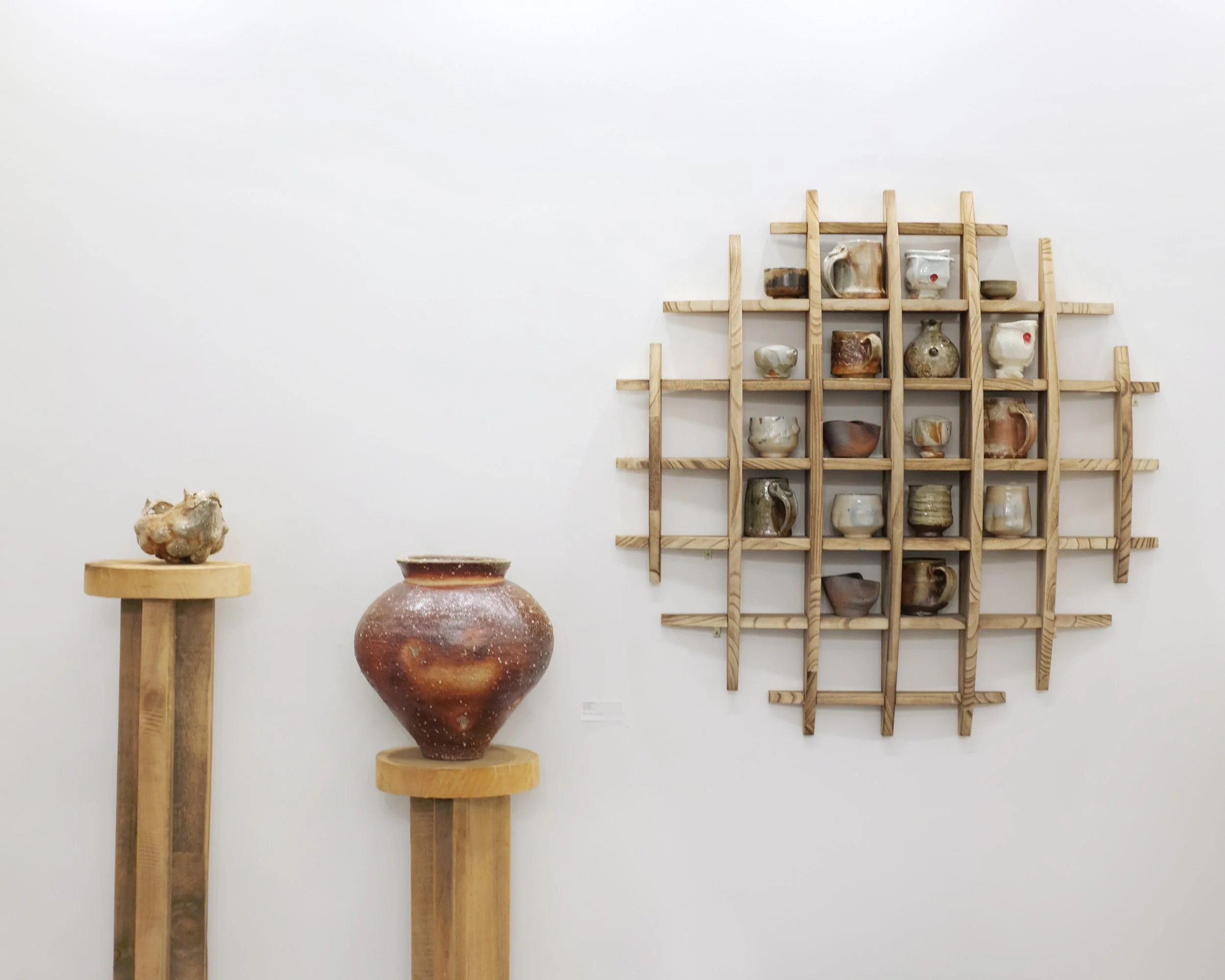
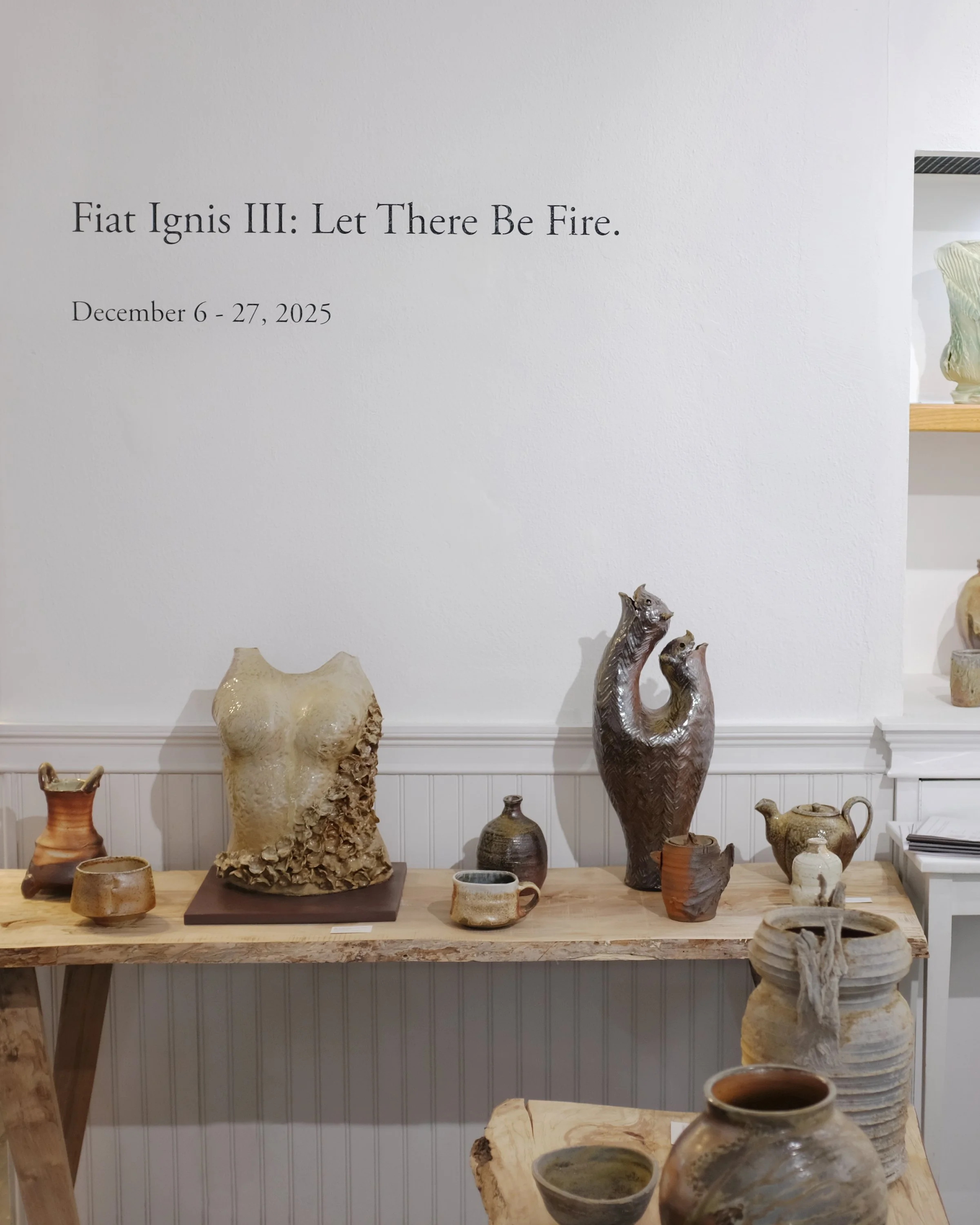
Fiat Ignis: Hosted by Gallery 60 NYC in collaboration with the New England Wood Firing Conference. Highlighting the transformative power of flame, this is the second group show of wood-fired ceramic artworks at Gallery 60 NYC. A body of work made by ceramicists who believe that flame is more than a heat source; flame plays a leading role in the aesthetic narrative. We invite you to experience the captivating Anagama-energy.
Exhibition Event Coordinator / Photographer: Bing (Maggie) Lu

Download Press Release
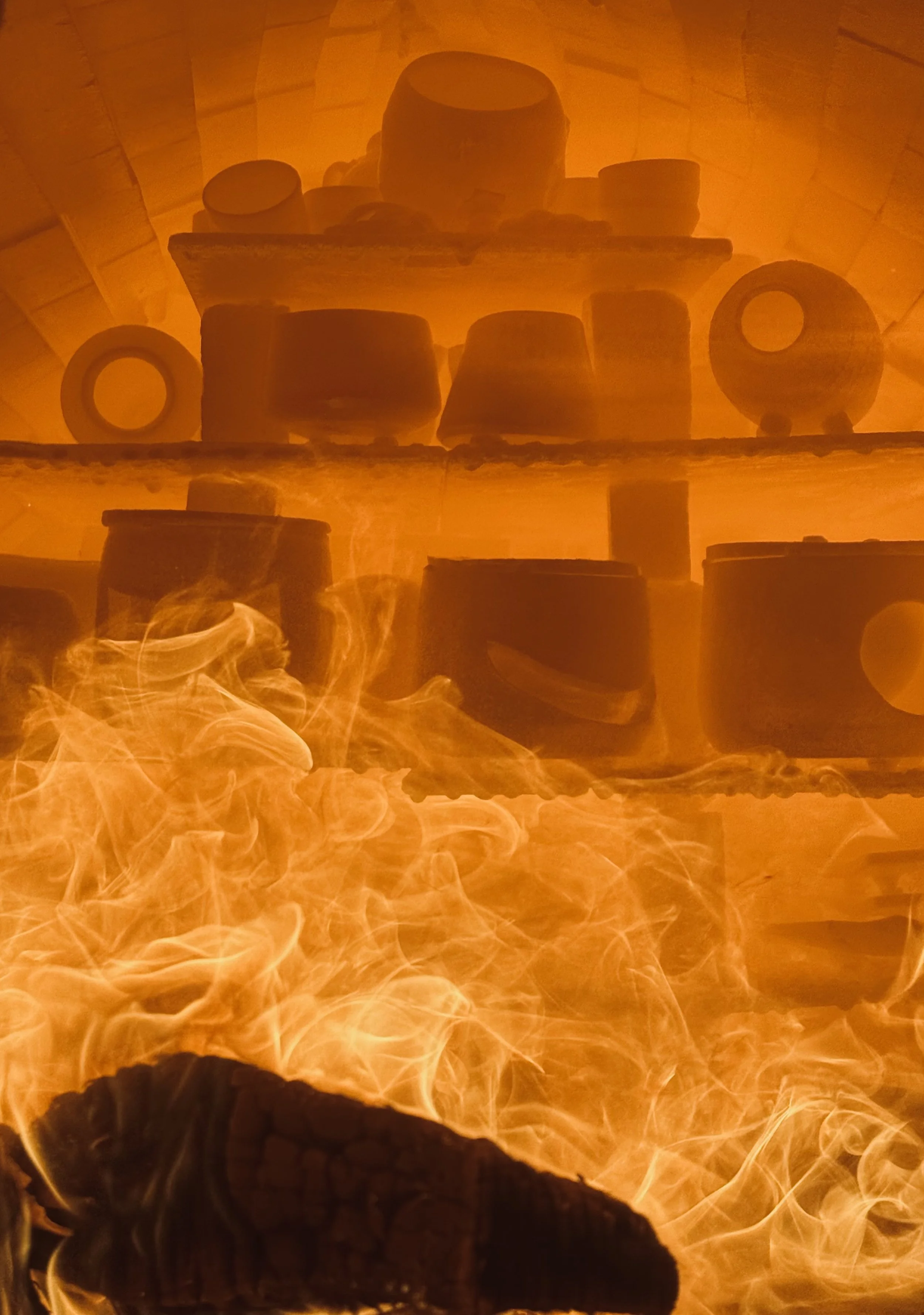
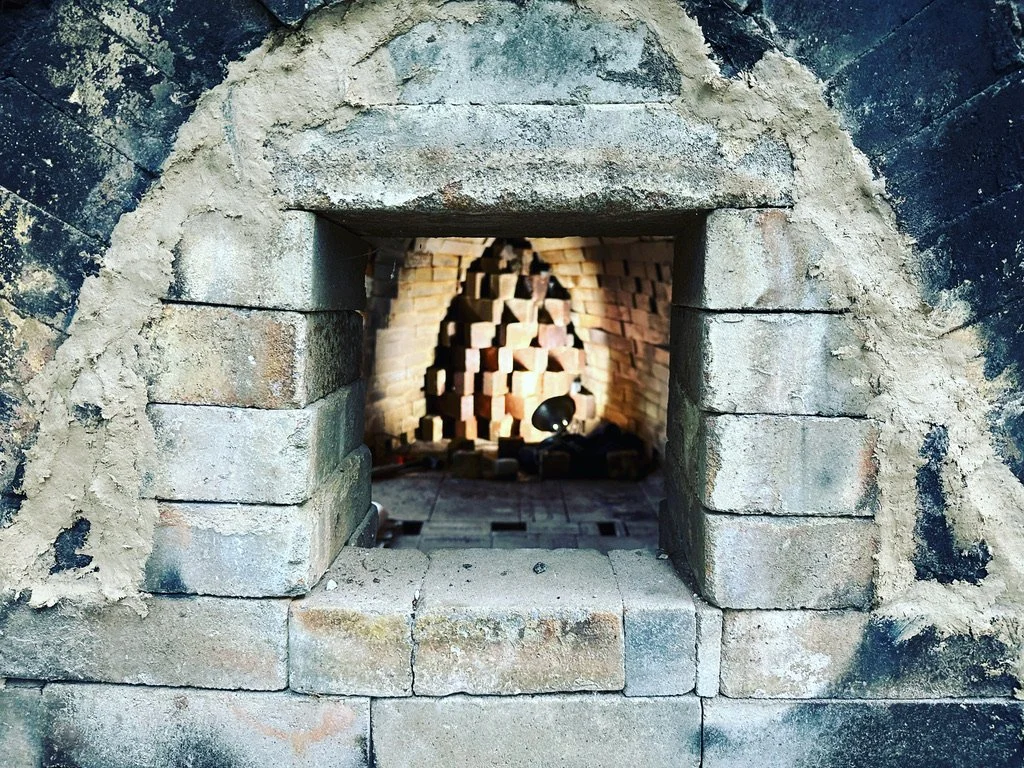
View inside Anagama (Wood Kiln)

“I see wood firing as a multi-layered creative process; one that commands cooperation and problem solving above all else…. unifying both the educational and creative drive within.
As the founder of the New England Wood Firing Conference, my interest lies in welcoming those of us, both experienced potters and newcomers, to our practice.
It has been a pleasure working with Kiichi in bringing this show into being. A heartfelt thank you to those of you who have chosen to participate in and support our special process.”
- From the exhibition catalogue introduction, Trevor Youngberg




Artists
-
Trevor Youngberg
Trevor is a high school ceramics teacher and practicing wood-fire potter. While creative development and discovery are critical factors, fostering the development of a thriving wood-fire community in Woodbridge, Connecticut is the path he has chosen in seeking personal fulfillment. As ideas are exchanged and experiences are shared…bonds are formed and we grow together. What’s better than that?
-
Frank Olt
Frank Olt is an artist and professor at Long Island University whose studio practice focuses on ceramics and painting. He is a former artist-in- residence at MoMA P.S.1. He studied with Bauhaus artist Rose Krebs. Olt exhibited and has collectors nationally and internationally. His commissions include all ceramic art at the 23rd & Ely subway station through the NYC Arts for Transit program and Bellevue Hospital. His work was exhibited recently in a one-person show in the Contemporary Gallery at Nassau County Museum of Art.
-
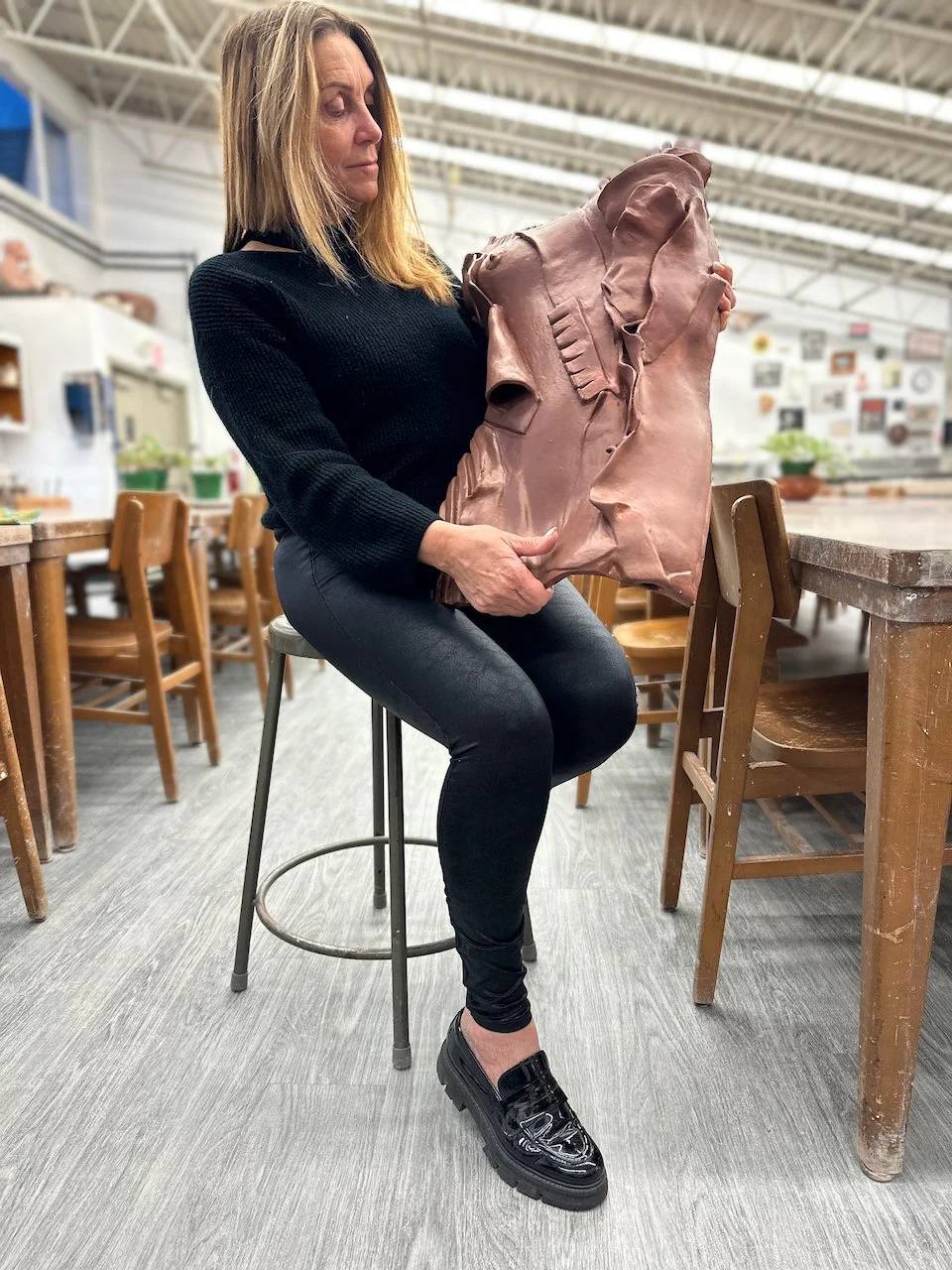
Mandy Henson Wasserman
Mandy Henson, originally from England, developed a deep passion for art and design during her formative years. She pursued her artistic journey at esteemed institutions, earning a BFA in Fine Arts Education from Parsons School of Design and the School of Visual Arts. Furthering her dedication to the arts, she continued her education at Long Island University, where she obtained her Masters in Fine Arts. Mandy's artistic perspective has been enriched by her diverse experiences. Born in England, she later spent a decade living in Australia, where she was surrounded by renowned artists who influenced her creative development.
-
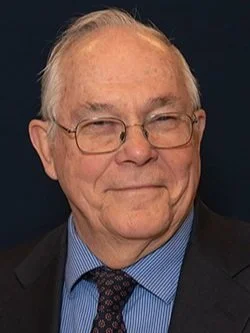
Dan Christoffel
Dan Christoffel is an internationally exhibited American artist and board member of the Art League of Long Island, as well as a guest lecturer at the Metropolitan Museum of Art. Former positions of his include president of the Long Island Art Teachers Association as well as curator for the partnership for Cultural Development at the Chelsea Center in Muttontown. Christoffel earned the Long Island Supervisors “Lifetime Achievement Award” from Adelphi University, and was named Teacher of the Year by a number of organizations including the Long Island Art Teachers Association, the Parent Teacher Student Association, the Kiwanis Club, and the Bellmore-Merrick school district.
-

Kiichi Takeuchi
Takeuchi has worked at Long Island University for more than 20 years in the field of Computer Science, while also pursuing a second career in the arts. Since 2022, he has studied ceramic art with a focus on wood firing and 3-D printed ceramics.
He is actively engaged in the wood fire community, serving as a committee member of the New England Wood Firing Conference in 2023 and 2025. He has presented research and projects at the National Council on Education for the Ceramic Arts (NCECA) in 2023, 2024, and 2025, and has been appointed to present again in 2026.
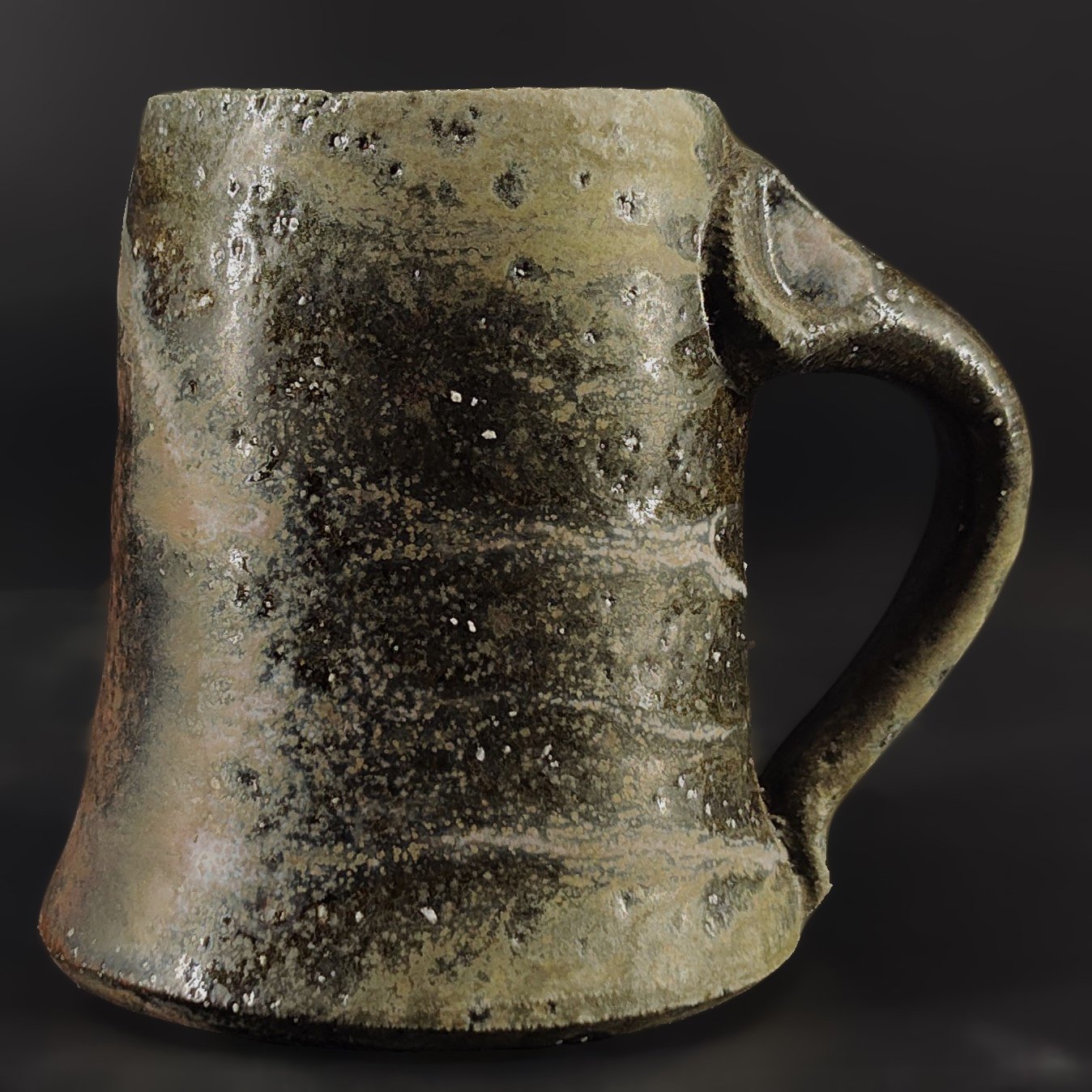
Trevor Youngberg
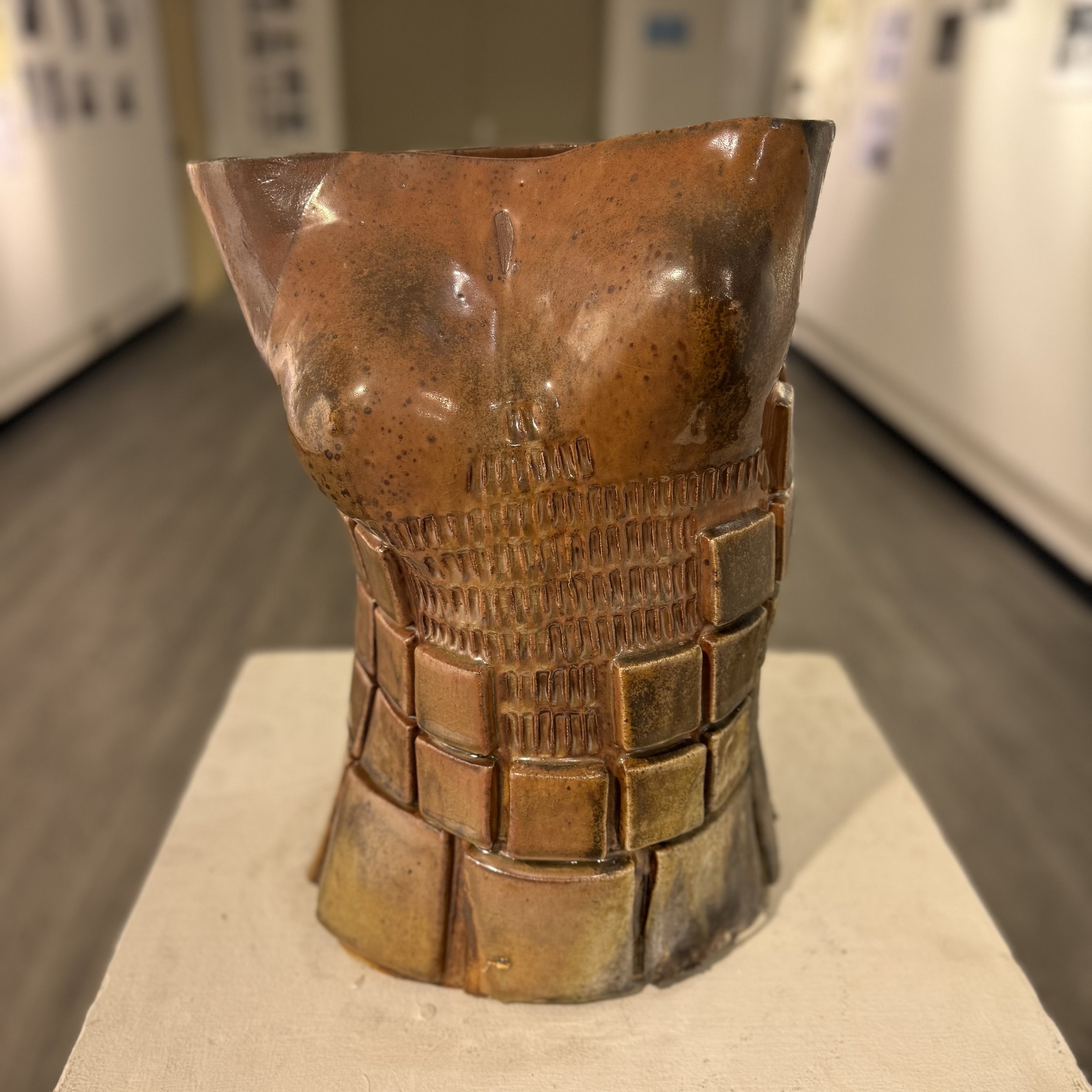
Mandy Henson
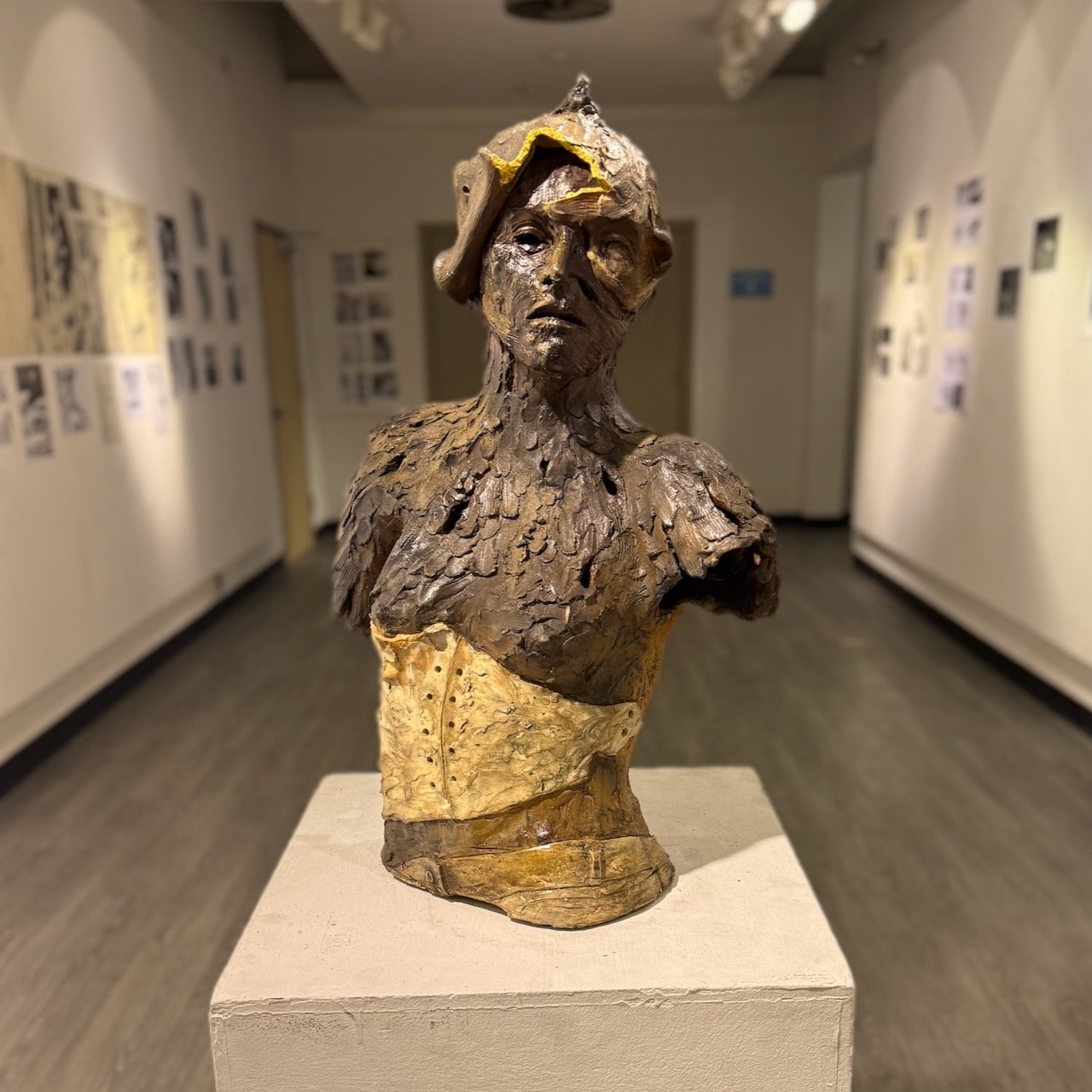
Dan Christoffel

Frank Olt
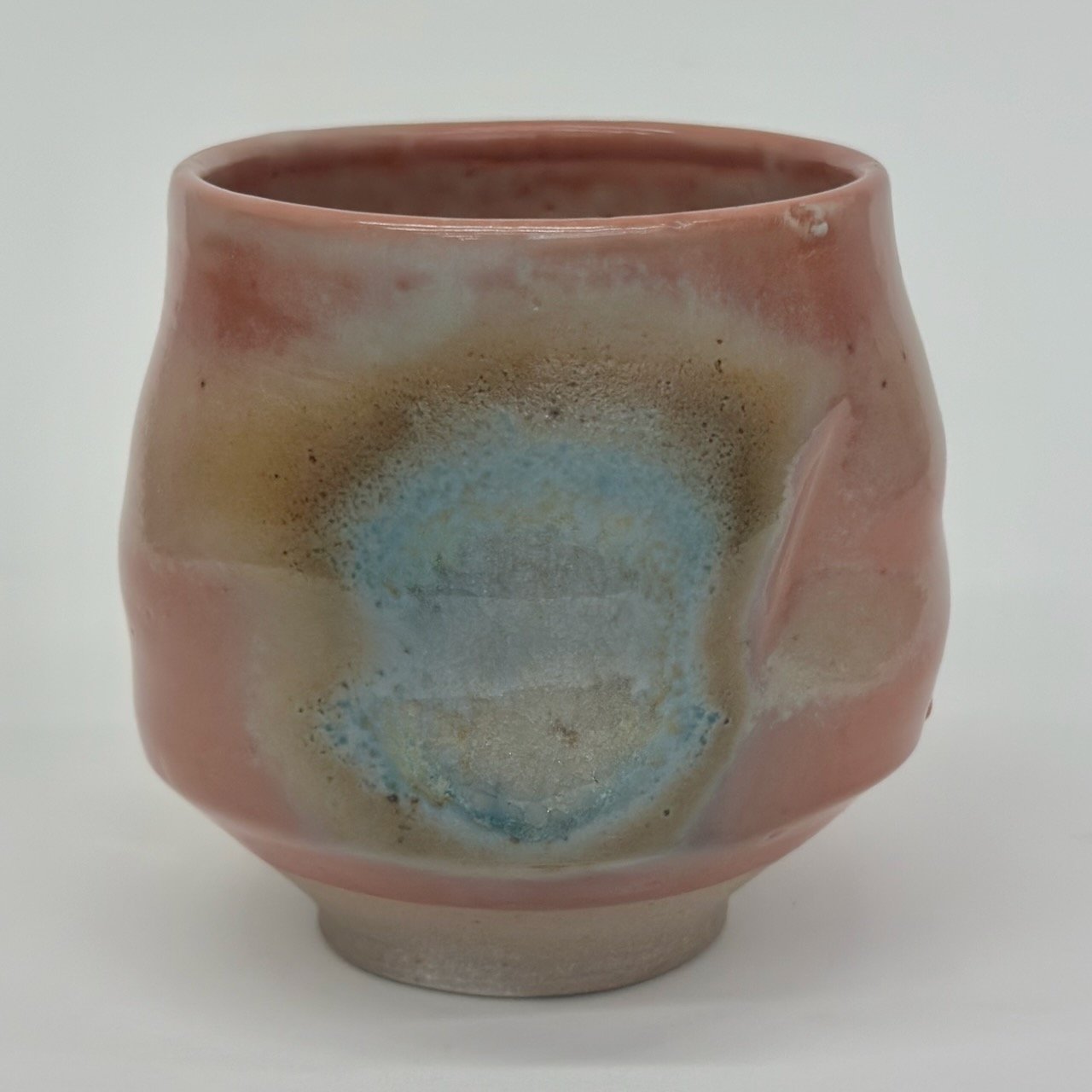
Kiichi Takeuchi
Anagama Kiln History
Meaning cave-kiln, anagama kiln design originated in Korea in medieval times. These kilns were dug into hillsides of clay. The front end of the “cave” served as the firebox which consumed large amounts of cord-wood each firing. A tunnel-opening at the tail of the “cave” or ware-chamber led to daylight, effectively serving as the chimney. The result being the creation of a strong enough draft to gasify the wood-fuel. Hundreds of pots filled the chamber area between the firebox and chimney. Through the process of firing, the cave-kiln’s clay walls hardened and served potters for many firings. Eventually, the kilns would begin to disintegrate and, in some cases, new ones were dug out of the hill adjacent to the previous kiln.
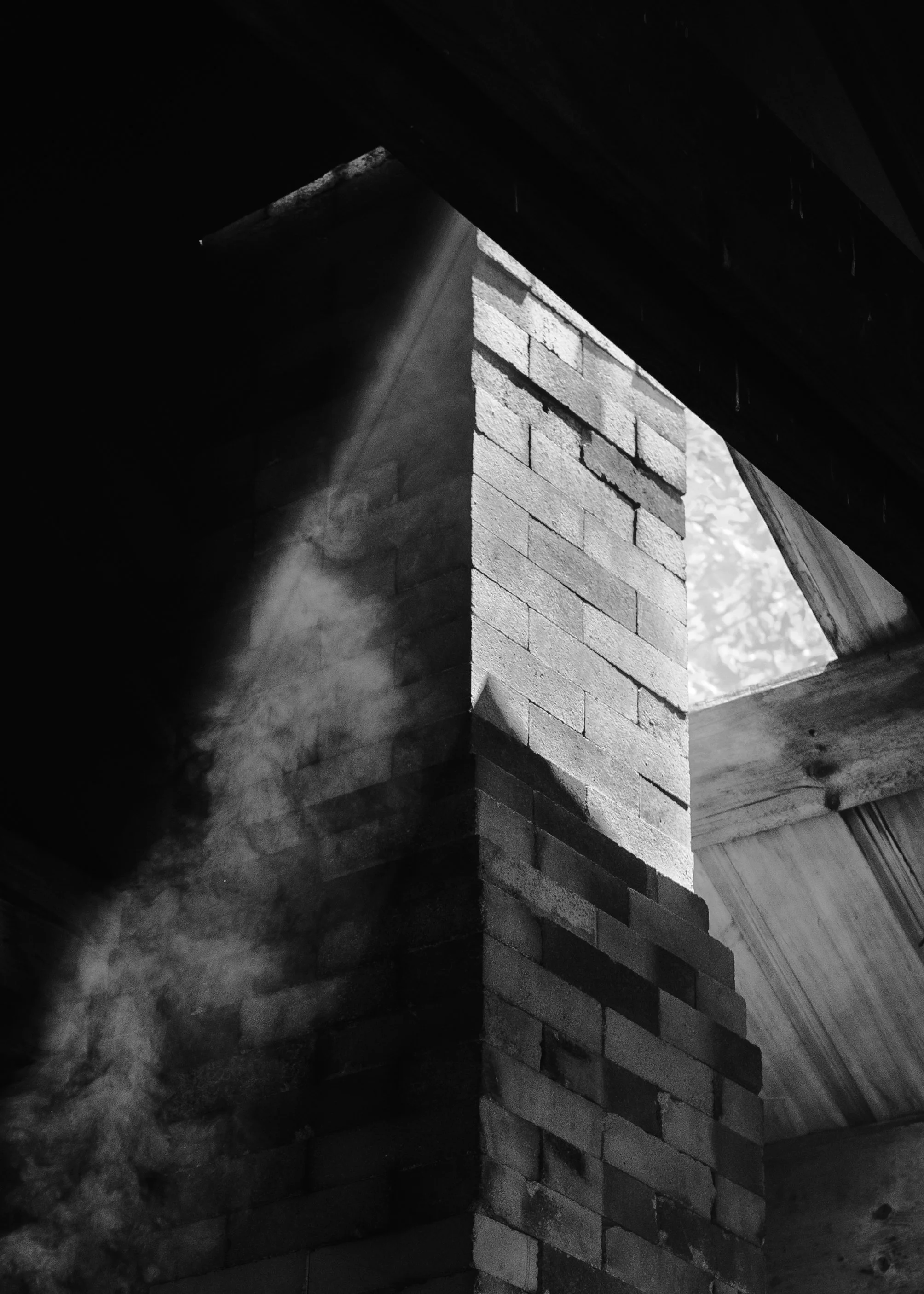
Photo Credits: Derek Gillis
Wood combustion in these kilns yield temperatures in excess of 2400F and are, to this day, achieved in order to both vitrify (fully harden) the stoneware and porcelain vessels and melt the copious amounts of fly-ash into natural ash glaze on the surfaces of the wares. Additionally, salt-gasses of potassium and sodium travel throughout the kiln-chamber. These gasses interact with clay’s impurities such as iron, creating “flashing” which is the mark of the flame as it converses with clay objects on its journey to the chimney.
Anagama kiln design was adopted by Japanese peasant potters and in the Middle Ages. Once the unique kiln-effects were discovered and admired by Japanese tea masters, the monks prescribed anagama-kiln wares for use in the production of Japanese tea ceremony vessels. A pairing that propelled the surfaces found on the utilitarian ceramics of peasant potters into the realm of fine art.
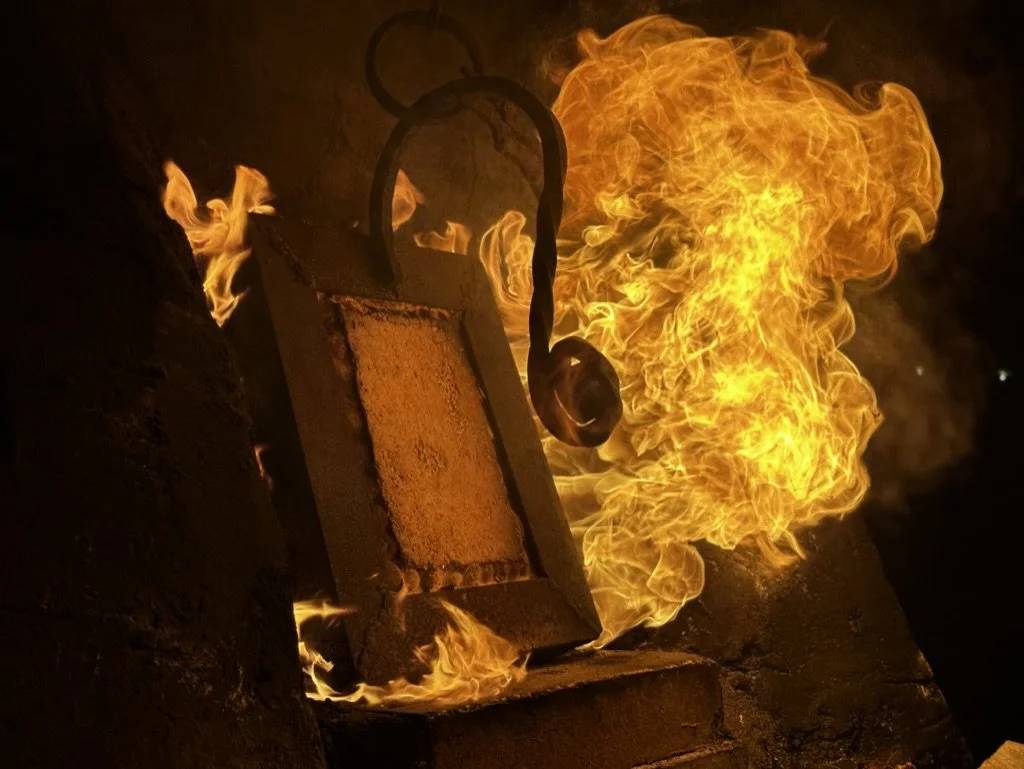
We practice wood-firing today as an international art form. Potters around the world have developed a vast array of methods in harnessing flame’s creative properties. Kiln design, firing technique, wood-fuel selection, clay-body formulas and making styles only begin to hint at the potential variables presented to us as ceramic artists. While we practice a method that is largely unchanged since the 13th century; somehow, our works reflect our place in time. Wood-firing today is as fresh and exciting as ever.